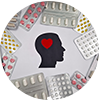
Self-medication in practice
Self-medication is an active approach to health care, where a person chooses their own treatment method based on symptoms using over-the-counter medications and without prior consultation with a doctor.
It can help relieve less serious problems while also reducing the burden on the healthcare system.
Self-treatment can address, for example:
For successful and safe self-treatment, professional recommendations provided by educated healthcare professionals (pharmacists and pharmaceutical assistants) at the pharmacy are absolutely essential.
Thanks to their knowledge of pharmacotherapy and the ability to view the patient's medication record, the pharmacist can assess whether the intended self-medication is appropriate in combination with the medications already being used. They not only advise on the choice of medication, but also participate in educating the patient about proper use (including recommendations for regimen measures).
The role of pharmaceutical assistants is no less important in this case. Given that their overview of over-the-counter medicines, dietary supplements and medical devices is extensive, they can help select the appropriate product tailored to the specific patient.
Risks associated with self-medication:
For specific groups of people (children, seniors, pregnant and breastfeeding women, chronically ill people), self-medication must be approached very cautiously.
Freely available according to the web portal of the Czech Chamber of Pharmacists for the public Pharmacist Drops, 30. 7. 2025

30. 9. 2026
Varicose veins: why they occur and what to do about themVaricose veins, or varicose veins, are among the most common vascular problems in adults. The formation of varicose veins cannot be prevented in ...
31. 8. 2026
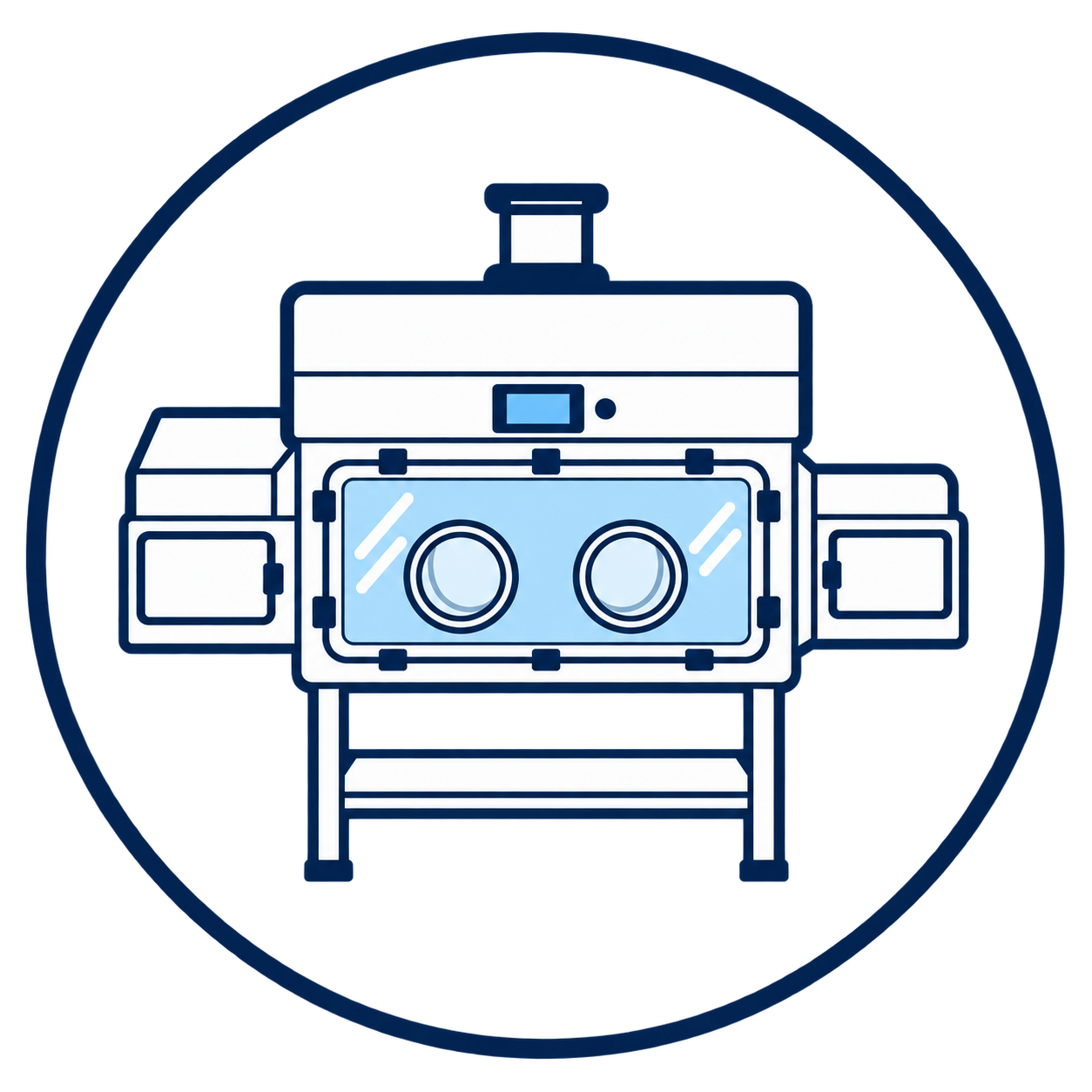
Modernization of cytostatic preparation at the General University Hospital: replacement of isolators as the first step of a larger renovation. Two isolators were replaced at the General University Hospital (VFN).

